
MAIN TAKEAWAYS:
- Combined heat and power (CHP) systems require a combination of centrifugal, positive displacement, and sealless magnetic pumps.
- Fluid temperatures, pressures, and the use of corrosive materials are key factors to consider when choosing the right pump for CHP systems.
- An asset management program (AMP) can help plant engineers take a more proactive approach to pumps used in CHP systems.
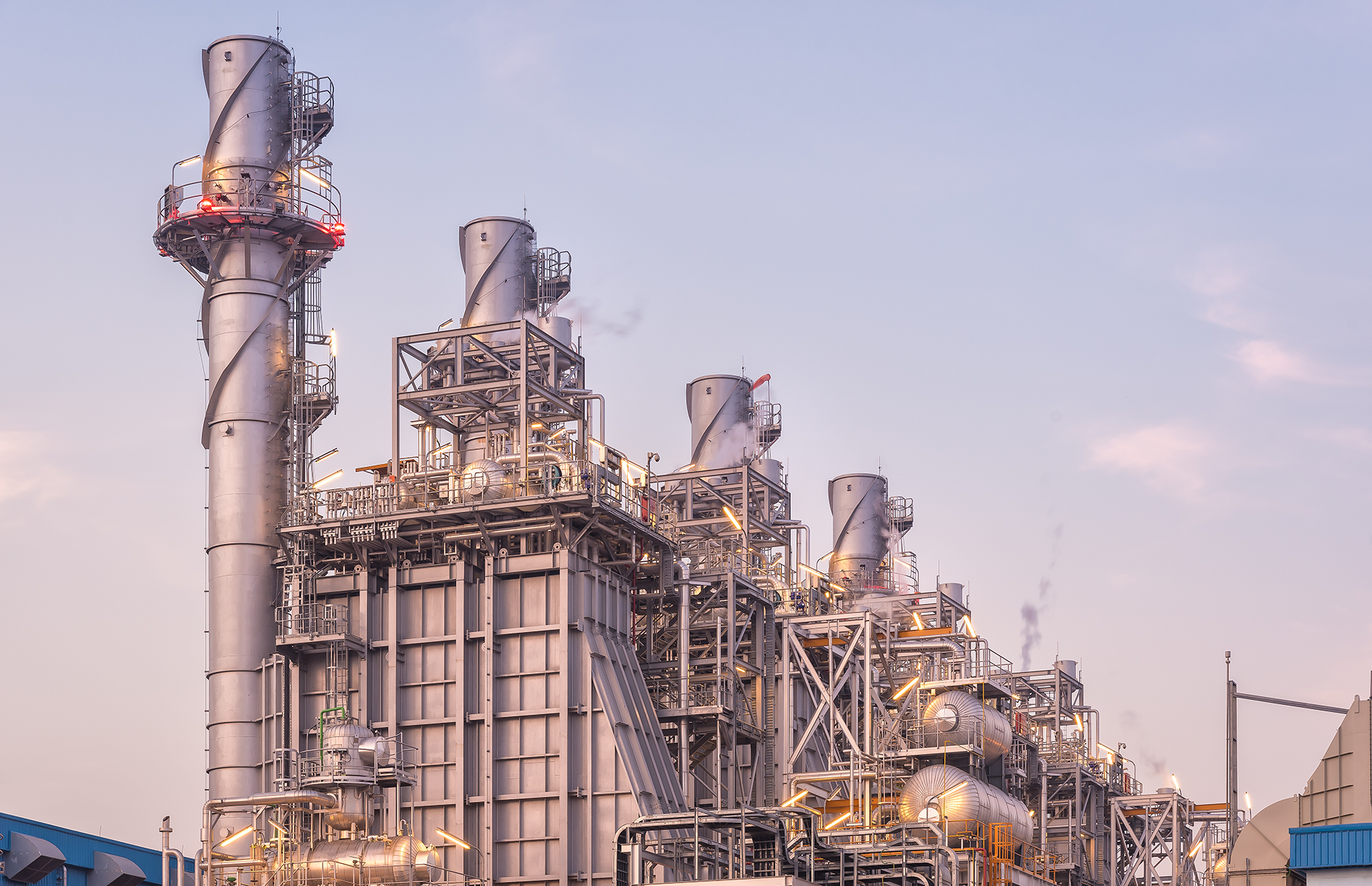
The number of sustainable power generation plants coming online in the U.S. continues to grow. Low-carbon capture and small modular nuclear (SMR) reactors are two of the more emergent power generation models, and combined heat and power (CHP) systems also play a large role in advancing the decarbonization of the power grid.
CHP systems in industrial facilities can help maximize energy efficiency, reduce emissions, and optimize the use of resources, provided your plant infrastructure features the right industrial equipment to handle the demands of this unique type of power generation.
Here are a handful of frequently asked questions plant engineers have when I start conversations with them about building a CHP system — and the answers to these questions to help you choose the right industrial pump for your needs.
What kinds of pumps are ideal for CHP systems?
Most CHP systems require several different types of industrial pumps to drive power generation. CHP systems circulate a variety of fluids, including water and corrosive coolants, along with high levels of steam to adequately generate electricity. Additionally, these fluids can range greatly in temperature and viscosity, meaning there is no single pump solution for CHP systems. Most CHP applications will feature some combination of the following pump types.
Multi-stage centrifugal pumps
Multi-stage centrifugal pumps are required for the high-pressure handling of boiler feedwater. Multi-stage centrifugal pumps provide the precise fluid handling necessary to pressurize water for steam generation, and the ability to handle varying flow rates while sustaining required pressures make multi-stage centrifugal pumps indispensable for maintaining system stability.
Positive displacement pumps
Positive displacement pumps are typically used for applications requiring precise flow control or the handling of high-viscosity fluids that centrifugal pumps may not efficiently manage. These pumps move a fixed volume of fluid with each cycle, making them ideal for injecting fuel, lubricants, or chemicals into CHP equipment where accurate dosing and steady flow are critical.
Sealless magnetic pumps
Sealless magnetic pumps are used primarily for handling hazardous, corrosive, or high-temperature fluids where traditional sealed pumps might risk leaks or require intensive maintenance. These pumps eliminate leakage risks and enhance system safety and reliability. These pumps are also especially valuable for circulating heat transfer fluids — think thermal oils or aggressive chemicals in closed-loop systems.
Is pump efficiency or reliability more important for CHP systems?
Pump efficiency and reliability are equally important, but reliability generally takes top billing because a pump failure can cause costly system downtime and disrupt continuous heat and power production. Reliable pumps ensure uninterrupted operation, which is crucial for the steady energy supply, safety, and performance of CHP plants.
It’s important to remember that this question is not a this vs. that scenario. Pump efficiency cannot be overlooked, as inefficient pumps increase operational costs by consuming more energy, reducing the overall system efficiency and economic benefits of CHP.
What operational elements should be considered when choosing a pump for CHP use?
Efficiency and reliability impact the overall performance of the CHP process, affecting both energy savings and operational uptime. To maximize savings and productivity, consider the following operational or environmental considerations when choosing the ideal pump for your needs.
- Temperature and pressure requirements: Evaluate maximum operating temperatures and pressures in both the heat and power cycles. For example, while a multi-stage centrifugal pump is ideal for the high-pressure handling of feedwater, it’s less equipped for processes requiring highly accurate flow control.
- Fluid properties: Viscosity, particulate content, and corrosiveness of fluids influence the pump’s construction material and sealing requirements.
- Space and equipment footprint: Space constraints like horizontal and vertical clearance for installation and maintenance affect pump configuration and how seamlessly a pump can be integrated with existing equipment.
What are the maintenance challenges for pumps in CHP systems?
Corrosion, fatigue, and deposits from process fluids can degrade seals, impellers, and bearings, leading to failures if not properly managed. The complexity of CHP systems, which often include many pumps of varying types and sizes, increases the difficulty of scheduling and performing timely maintenance to avoid downtime.
Additional challenges include the need for predictive and condition-based maintenance strategies because reactive maintenance causes costly unplanned downtime. This is where an asset management program (AMP) can help plant engineers better understand in real time the health and performance of pumps in the field of use.
An assessment management program like IPEC’s helps create a true partnership between plant operators and channel partners. Our asset management program helps companies better manage and optimize their custom equipment solutions via detailed performance and deployment data, service history, and compliance checks.
How can plant engineers future-proof the pumps used in CHP systems?
There are a couple of things to keep in mind here. First, choose pumps that maintain efficiency across variable flow rates and pressures. It’s also important to opt for robust construction materials and advanced sealing technologies designed to handle the high temperatures, pressures, and corrosive fluids found in CHP environments. This reduces downtime and maintenance frequency, supporting continuous plant operation.

Select pumps that are capable of remote condition monitoring and integrated diagnostics to detect early signs of wear or malfunction. Predictive maintenance strategies enabled by smart pump technologies can extend pump life and minimize unplanned outages.
IPEC offers centrifugal pumps, positive displacement pumps, and sealless magnetic pumps from leading manufacturers like Sundyne and Fybroc & Dean to help build a CHP system that prioritizes efficiency and environmental responsibility. With decades of experience in helping plant engineers create custom pump solutions, we understand the importance of equipment durability and reliability in optimizing processes and reducing costs.
Browse our online store or contact us to learn more about designing a CHP system for your needs.